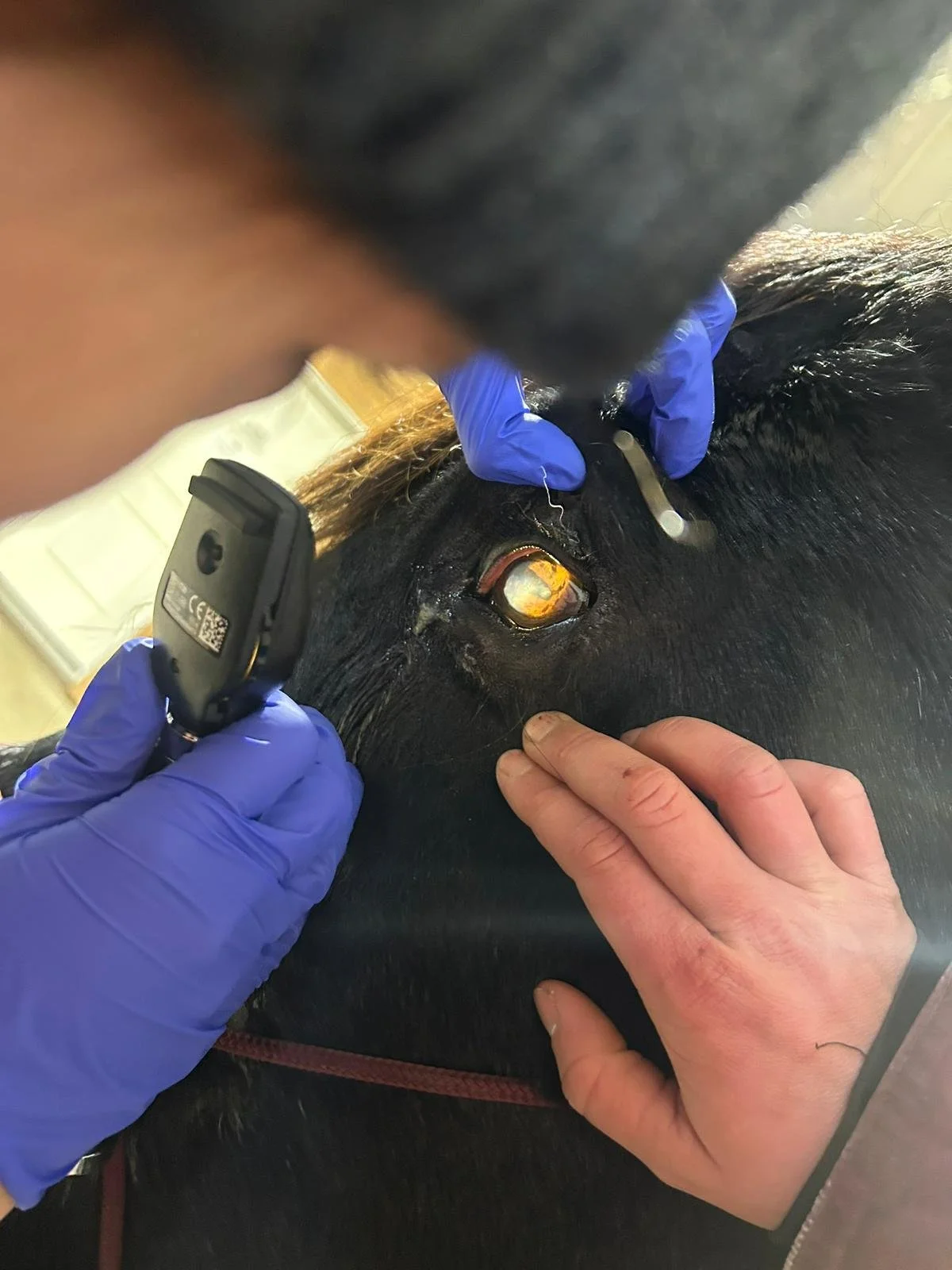
A Closer Look: Common Equine Eye Conditions
Eye issues in horses are not only uncomfortable, they can progress quickly and have lasting effects on vision if not addressed promptly. Horses are particularly prone to eye problems simply because of the size and position of their eyes, which makes them more vulnerable to trauma and environmental irritation
Read More
Optimal Grazing for the “Easy Keepers”, Metabolically Sensitive and Founder-Prone Horses: Dr. Marthe Wildsmith
Metabolic and weight-related conditions in horses are an increasing concern among horse owners and equine veterinarians. Horses with insulin resistance (IR), equine metabolic syndrome (EMS), Equine Cushing’s Disease or Pars Pituitary Intermedia Dysfunction (PPID), as well as easy keepers, those with a history of laminitis or founder, or simply just breed sensitive, are all at higher risk of dangerous blood sugar fluctuations and pasture-related laminitis.
Read More
Understanding Equine Reproduction Success Rates: A Closer Look with Dr. Sarah Malenchak
It can be frustrating and discouraging when you have a mare that is not getting pregnant. Breeding success in horses is influenced by many factors including the mare's age, reproductive history, and overall health. We had Westhills own Dr. Sarah Malenchak dive deeper into each category to better understand why success rates vary - including young maiden mares, older maiden mares, barren mares and mares with a foal at side.
Read More
The Ins and Outs of Equine Laminitis with Dr. Kirstin Park
Have you ever heard the saying “no hoof, no horse?” Laminitis, often ferred to as founder, is one of the most important diseases to be aware of as a horse owner as it is one of the most catastrophic. This disease can result in a vast spectrum of consequences from temporary loss of use to career-ending or life-threatening circumstances.
Read More
Pre-Breeding Preparation
To curb that overwhelming feeling of wanting the best for your broodmare going into the breeding season but not knowing what is required, we have created a “Pre-Breeding Checklist” for mare owners convenience.
Read More